Dubai has spent two decades selling a simple promise to the world: whatever is happening around the region, life here stays predictable. That promise powered a tourism boom, helped Dubai International (DXB) keep its crown as the world’s busiest international airport, and pushed the emirate’s hotel industry into record territory. Just weeks ago, official updates celebrated record-breaking 2025 tourism numbers and continued growth in overnight visitors and airport traffic.
Then the war arrived at Dubai’s doorstep—visibly, audibly, and globally livestreamed.
Timeline of incidents in Dubai due to the US/Israel vs Iran war:
- Feb. 28, 2026: Dubai’s media office said a concourse at DXB sustained “minor damage,” with four staff injured, after overnight Iranian strikes and interceptions.
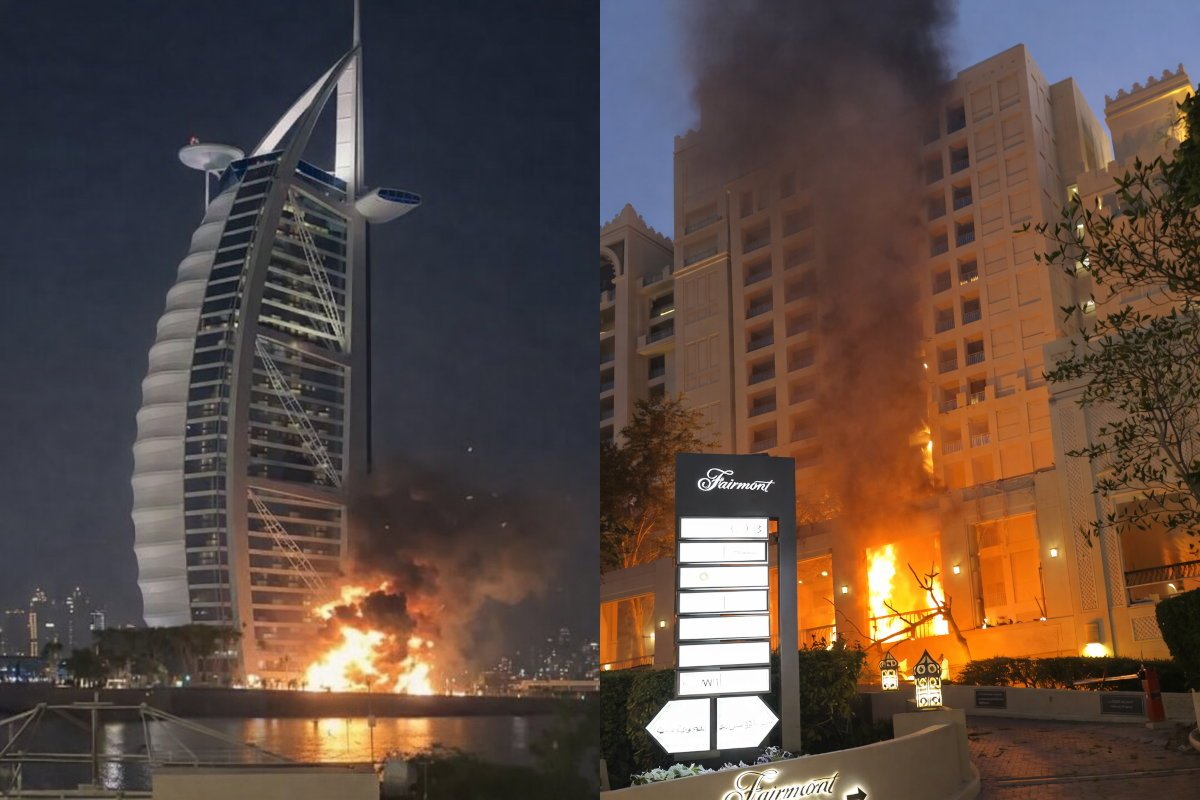
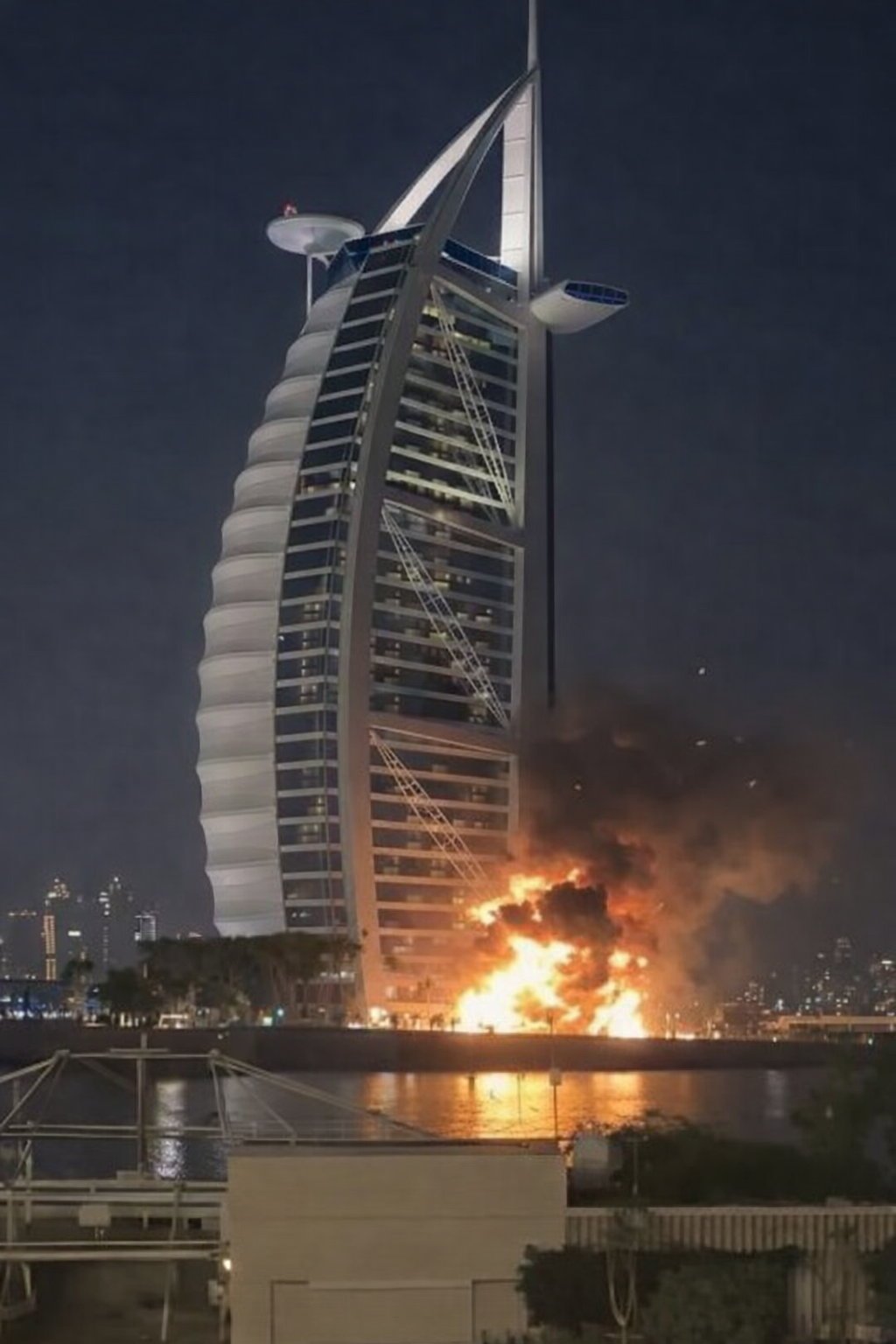
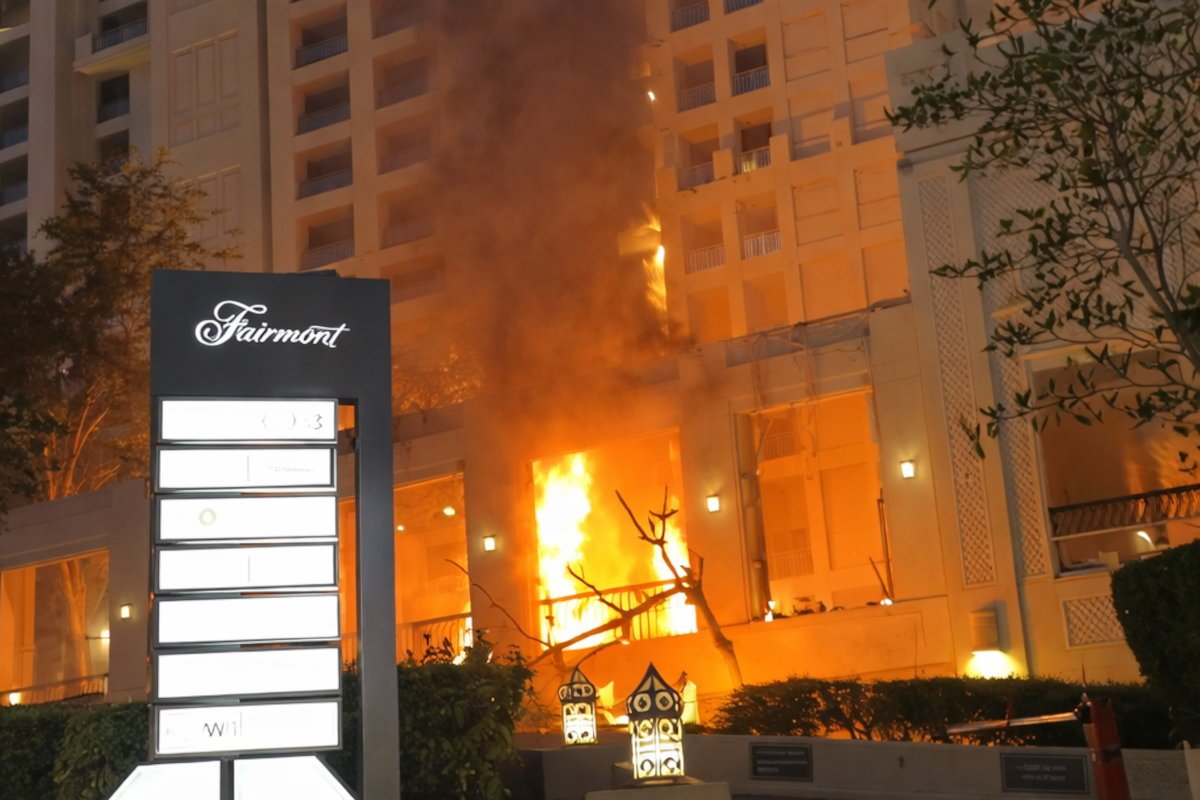
- Feb. 28, 2026 (night): Reports also described an incident on Palm Jumeirah, with fire and injuries around a luxury hotel area—an image that cuts straight through Dubai’s curated sense of calm. The same night, debris from an intercepted drone sparked a small exterior fire on the Burj Al Arab, quickly contained.
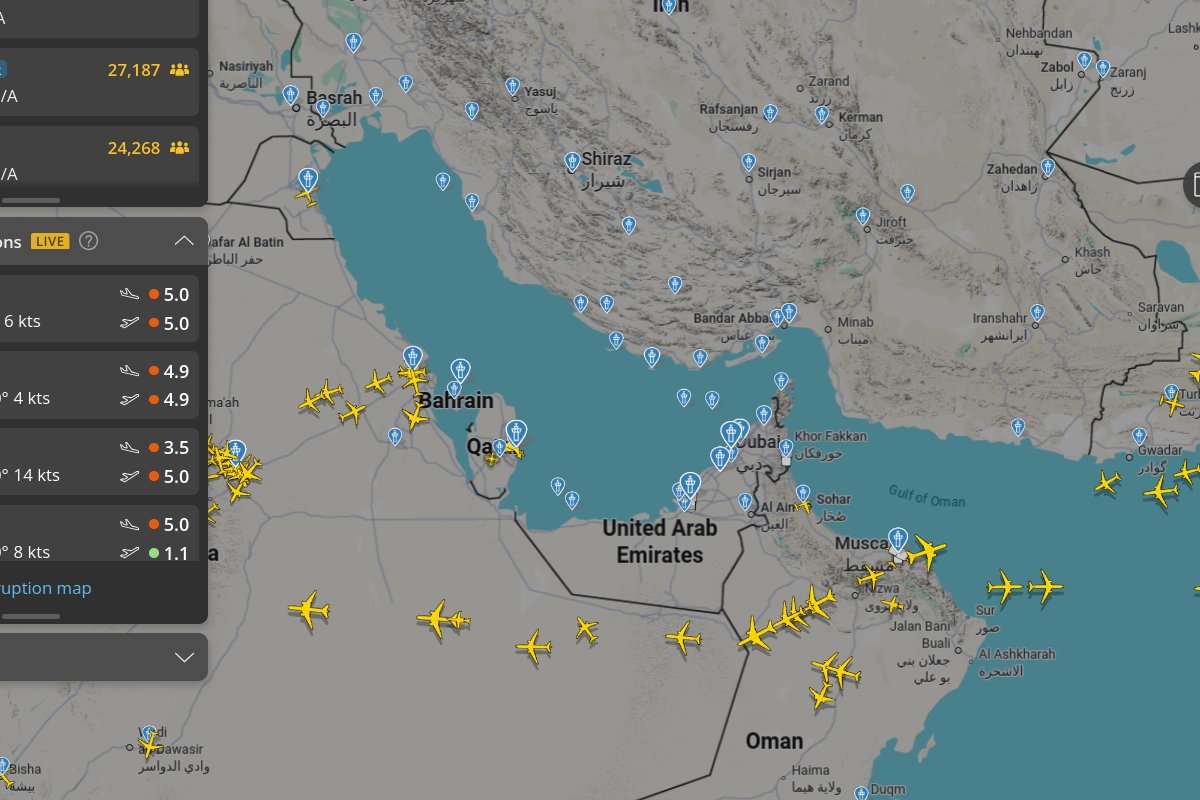
- Feb. 28–Mar. 1, 2026: Airlines suspended services across parts of the Gulf as airspace restrictions spread, leaving major hubs effectively frozen and passengers stranded or rerouted.
- Feb. 28–Mar. 1, 2026: In parallel, shipping risk surged: tankers avoided the Strait of Hormuz and Japanese shippers halted transits, while Iranian media signaled the route was “practically closed”—a phrase that alone is enough to spook insurers, airlines, and hotel revenue managers.
- Mar. 1, 2026: A warehouse in the industrial area of Sharjah City, next to Dubai, was hit by Iranian strikes resulting in thick plumes of smoke.
- Mar. 3, 2026: A BBC-verified bystander video shows an explosion followed by flames and smoke from a building next to the US consulate in Dubai. US Secretary of State Marco Rubio said an Iranian drone hit a parking lot adjacent to the consulate, adding that all personnel are accounted for after a preemptive drawdown.
Dubai’s tourism economy depends on people feeling certain about what happens when they land—smooth flights, normal nights, no surprises. This moment doesn’t just introduce risk; it introduces not knowing, because the war has reached the UAE and Dubai has been directly targeted. When a destination is part of the battlefield—rather than watching it from a distance—travelers don’t debate; they postpone, reroute, or cancel.
The immediate tourism hit: cancellations, perception shock, and “pause behavior”
In the short term, the damage isn’t just a matter of repairs. People were injured, and that changes the tone completely. But the wider hit still comes from what follows: disrupted flights, disrupted routines, and an uncertainty that makes travelers and event planners hesitate—even after officials start issuing “all clear” statements.
Logistics first: Dubai is a global connector. When Gulf airspace tightens, DXB and the region’s hub-and-spoke model takes the punch. Reuters described a severe wave of cancellations and rerouting after the escalation, with warnings that disruptions could persist. Even “partial and temporary” closures behave like full shutdowns in practice once carriers can’t reliably schedule crew rotations, aircraft positioning, and insurance approvals.
Psychology next: Dubai’s luxury segment is uniquely vulnerable to headline risk because it sells aspiration. When iconic symbols like the Burj Al Arab are associated with missile strikes and fire—however minor—the brand impact is disproportionate. Leisure travelers postpone. Conference organizers quietly move venues. High-spending Gulf stopovers become “we’ll do it later,” and “later” can mean another destination entirely.
This matters because Dubai’s tourism machine has been running hot. The emirate’s pitch—safe, efficient, premium—helped it stack record visitor numbers and hotel performance in recent years. A sudden confidence wobble doesn’t just reduce arrivals; it pressures room rates, length of stay, and the high-margin experiences that make the luxury ecosystem work.
Life on the inside: what foreign residents are thinking—and doing
Dubai is an expat city in the most literal sense: a place where millions of residents chose it precisely because it felt like the region’s exception. That’s why the emotional whiplash of this moment is so sharp. For many foreign nationals, it isn’t only the sound of interceptions—it’s the feeling that the “rules” changed overnight. Reuters described residents stockpiling supplies while reassurances circulated, a detail that matters because it signals a shift from spectator to participant: people behave differently when they believe the next night could be worse than the last.
What you see on the ground is not a mass exodus—at least not yet. It’s micro-decisions that add up: families being cautious about letting their children play outside, residents postponing weekend plans, people refreshing airline apps and group chats, employers quietly reviewing contingency policies, and newcomers delaying relocation dates they were excited about just weeks ago. The social layer matters too: both Le Monde and The Guardian describe an influencer ecosystem trying to project normal life even as the strikes and explosions intrude—part reassurance, part coping mechanism, part narrative control.
That “keep calm” content can coexist with real fear. Le Monde describes influencers admitting they were shaking during nearby blasts while still keeping up their usual posts—a reminder that in Dubai, daily life can look normal on the surface even when people are unsettled underneath. And it’s not just influencers. Reuters’ reporting on the safe-haven test makes the deeper point: Dubai’s economic model is built on globally mobile people and firms—and those groups always keep options open. When the idea of “home” is suddenly linked to air-raid alerts and interceptions, many residents don’t leave immediately—but they start reviewing contingencies, delaying plans, and keeping an exit route ready.
What UAE officials are saying—and what stranded visitors and investors are being told
The official posture has been consistent: contain panic, signal capability, and restore continuity fast. Business Standard reports UAE officials emphasizing the strength of air defenses, and quotes Minister of State for International Cooperation Reem Al Hashimy acknowledging fear while framing the loud blasts as interception activity and much of the visible damage as debris. Reuters similarly notes that authorities moved quickly to protect confidence as much as infrastructure, including statements that the situation remained under control.
Tourism messaging has been particularly direct because Dubai understands what’s at stake: not just arrivals, but confidence. Reuters reports Dubai’s tourism office saying visitor safety is the highest priority and that hotels were asked to support affected guests, leaning on the city’s experience managing “periods of global disruption.” That’s a telling phrase—because right now the tourism industry isn’t selling discounts; it’s selling reassurance with operational proof.
For stranded tourists, the reporting points to a blunt reality: once airspace is disrupted, “partial reopening” can still function like a shutdown. Flights restart unevenly, routes change without notice, and airport routines don’t behave normally. Reuters described major hubs largely grounded and tens of thousands stranded. The most practical approach: stay somewhere that can support you if plans change (a staffed hotel rather than a short-term rental), rely on airline and airport updates over social-media speculation, keep passports and onward documents ready, secure photocopies of everything and plan for schedules to shift repeatedly in a single day.
For foreign residents, officials stress continuity—but residents will still manage risk for themselves. That usually means sticking to official channels, following building security instructions, and making small, immediate adjustments that lower exposure—where the family sleeps, when people move around, which areas they avoid—until it’s clearer whether the situation is stabilising or escalating.
For property investors, the discussion about “fundamentals” is secondary if deals can’t progress on normal timelines. When air routes and shipping lanes are disrupted, execution risk moves to the foreground: insurance coverage and war-risk wording, lender requirements, escrow and transfer timing, handover schedules, and—practically—how clearly developers and brokers communicate. The rational response isn’t panic selling. It’s making sure your transaction is built to withstand delays: tighten documentation, confirm protections, keep optionality, and judge conditions by weeks of stable operations, not a single reassuring statement.
“Safe haven” now has competition: Singapore and Hong Kong as the quiet alternatives
Dubai’s rise as a wealth-and-talent magnet has been closely tied to global instability elsewhere. Premier Possible has tracked how internationally mobile buyers chase residency pathways and diversification, with “golden visa” logic shaping where capital lands. That same logic can cut both ways: when the perceived risk of a location jumps, money doesn’t disappear—it re-routes.
For years, the UK’s shifting tax environment has pushed more high-net-worth individuals to consider relocation, benefiting host nations seen as stable and tax-efficient. Dubai was an obvious winner in that narrative. But conflict that touches civil infrastructure changes the risk calculation fast, especially for families and corporate leadership teams who value continuity over upside.
That’s where places like Singapore (predictable governance, strong currency credibility, regional access) and Hong Kong (deep capital markets, established finance networks) become the “quiet” alternatives if this conflict will be ongoing for a long time. Dubai has lifestyle advantages and an investor-friendly property framework; Singapore and Hong Kong counter with low perceived kinetic risk. In a world where missiles make it into the travel headlines, that distinction suddenly matters.
Property market: two speeds in the short term
Dubai real estate doesn’t react like a typical market, because it’s tied to international inflows and an expat-heavy demand base. Premier Possible has highlighted how Dubai’s population growth and foreign inflow dynamics have supported housing demand and rental churn.
Short term, expect two simultaneous behaviors:
- 1. Transaction hesitation at the top end. Luxury buyers don’t need to rush. Off-plan reservations, trophy penthouses, and second-home purchases often move with sentiment. When flights are disrupted and the Strait of Hormuz is in crisis mode, buyers shift from “closing” to “watching.”
- 2. Rental volatility rather than a clean drop. Some expats may delay moves in; others already in-market may extend leases instead of relocating again. Meanwhile, certain segments (security-conscious corporate tenants, embassies, multinationals) may re-evaluate housing allowances and locations within the UAE.
And importantly, Dubai remains relatively accessible for foreigners to buy—legally and operationally—which is a structural advantage once confidence returns. Premier Possible’s guide on buying property in Dubai outlines why overseas ownership has been straightforward in freehold zones, with clear processes that reduce friction for international investors. The question now is whether friction returns in a different form: war-risk insurance, stricter banking checks, and longer decision cycles.
Long term: development pipelines face higher costs and slower launches
Where this conflict could bite deepest is not in today’s headlines, but in tomorrow’s construction schedules if it continues as a long-term military conflict.
Dubai’s next decade is defined by ambition—new districts, mega-projects, and a continuing push to be the capital of “next.” Premier Possible’s look at Dubai’s 2025–2035 project wave captures how much is still planned and underway. Those pipelines rely on predictable capital flows, reliable logistics, and buyer confidence—three things that wobble when:
- Airspace disruptions persist and regional routing becomes costlier.
- Energy and shipping risk spikes as Hormuz becomes a choke-point story again, raising insurance premiums and potentially pushing up input costs across supply chains.
Developers can still build, but they may build differently: fewer simultaneous launches, more incentives, more phased handovers, and a stronger focus on end-user fundamentals over speculative momentum. In a prolonged conflict, Dubai’s market could split into ultra-prime resilience (limited supply, global buyers who accept risk) and mid-market sensitivity (where job security and financing conditions matter more).
The editorial bottom line: Dubai’s brand isn’t broken—but it must be defended
Dubai has absorbed crises before, and the UAE is often quick to re-establish order. But this episode hits the one promise Dubai relies on more than any other: that it’s reliably normal, even when the region isn’t.
If the fighting de-escalates soon and flight routes stabilise, tourism and real estate will likely recover—helped by the strength Dubai had built before the strikes. But if incidents near airports, hotels, and other civilian sites continue, the bigger risk isn’t a dramatic crash. It’s a gradual change in behaviour: conferences move, stopovers get routed elsewhere, and internationally mobile buyers spread their exposure across markets that feel less exposed to sudden disruption.
That’s what Dubai is up against now—not a prettier skyline or a better beach, but a harder currency: certainty.