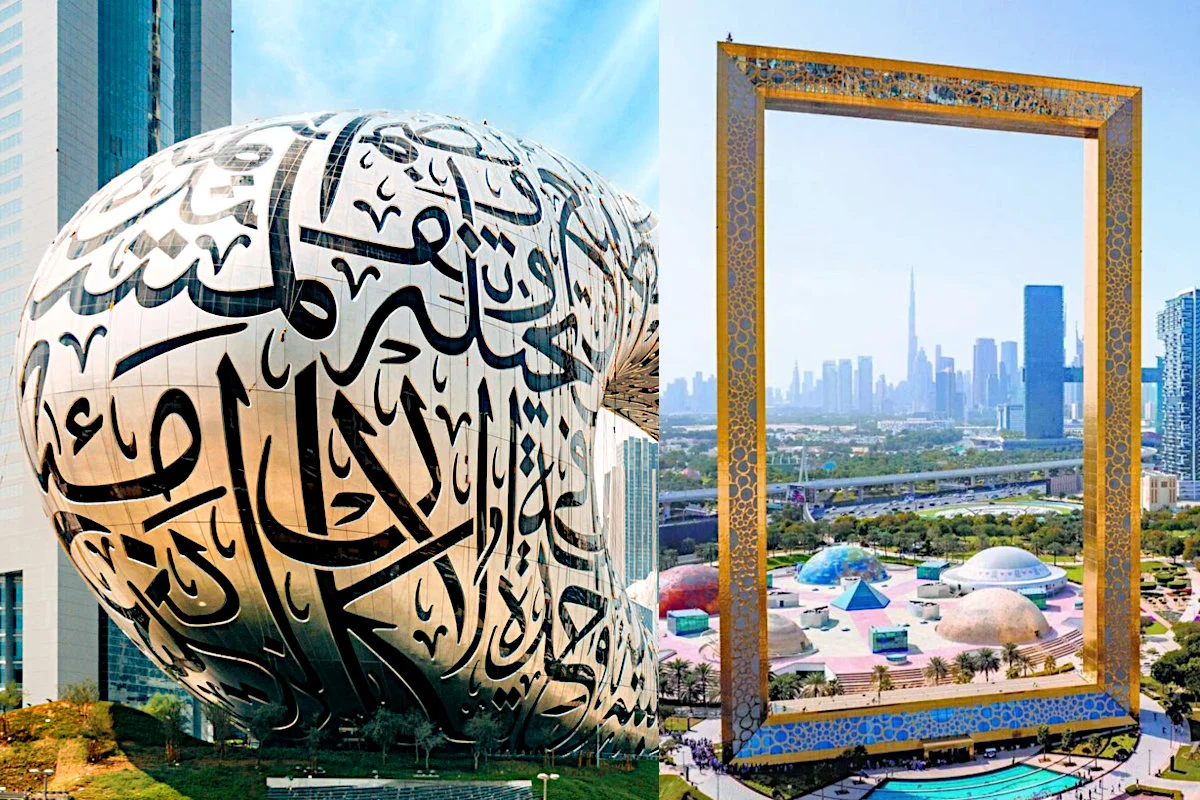
Dubai experienced a significant surge in foreign nationals relocating in 2024, with over 220,000 new arrivals in just the first half of the year. This growth contributed to an 8% increase in population, bringing Dubai’s total population to approximately 3.826 million by year-end. The emirate remains an attractive hub for professionals, entrepreneurs, and high-net-worth individuals seeking a business-friendly and tax-efficient environment.
Diverse Nationalities of Foreign Nationals Relocating to Dubai
Dubai’s expatriate community is uniquely diverse, encompassing over 200 nationalities. The city attracts a mix of middle-class workers from developing nations and wealthier expatriates from Western and developed Asian economies. Their motivations for moving to Dubai differ significantly.
1. Middle-Class and Work Immigrants from Developing Nations
A large portion of Dubai’s expatriate population consists of migrant workers from South Asia, Africa, and Southeast Asia, who move primarily for employment in sectors such as construction, hospitality, retail, and domestic work.
- Indians (37.96%) – The largest expatriate group in Dubai, with many working in finance, IT, engineering, and trade.
- Pakistanis (16.72%) – Many work in mid-level positions in retail, construction, and logistics.
- Bangladeshis (7.38%) – Often employed in labor-intensive industries.
- Filipinos (6.1%) – Predominantly working in customer service, healthcare, and hospitality.
- Egyptians (4.23%) and Other Middle Eastern Expats – Many are involved in government sectors, real estate, and banking.
These workers primarily rent apartments in more affordable areas such as Deira, Bur Dubai, Al Nahda, and International City, where housing costs are lower and communities cater to specific nationalities.
2. Wealthier Expatriates and High-Net-Worth Individuals (HNWIs)
Dubai is also attracting a growing number of wealthy Western expatriates, entrepreneurs, and high-net-worth individuals (HNWIs), particularly from Europe, North America, and wealthy parts of Asia.
- British Nationals – Now making up at least 180,000 residents in Dubai, with British investors accounting for 12% of all real estate transactions in 2024.
- French, German, and Swiss Expats – Many are attracted by business opportunities and favorable tax policies.
- Russian Expats – A rising number have relocated since 2022, with real estate purchases in Palm Jumeirah and Downtown Dubai surging due to geopolitical tensions in Europe.
- Chinese and Hong Kong Nationals – A growing number of Chinese investors are buying property in Dubai, viewing it as a business-friendly alternative to Hong Kong.
Many of these wealthier expats own property in freehold areas such as Downtown Dubai, Dubai Marina, Palm Jumeirah, and Arabian Ranches, where they purchase luxury apartments, penthouses, or villas.
Preferred Residential Areas for Foreign Nationals
Dubai’s freehold property areas, designated by the Dubai Land Department (DLD), allow foreign nationals to own real estate outright. Popular freehold zones include:
- Luxury Areas (for wealthy expats and investors)
- Palm Jumeirah – High-net-worth individuals prefer this exclusive island for its luxury villas and beachfront properties.
- Downtown Dubai – Attracts professionals in finance and tech, offering high-rise living near the Burj Khalifa.
- Dubai Marina & JBR – Favored by young professionals and entrepreneurs due to waterfront views and nightlife.
- Arabian Ranches & Emirates Hills – Known for spacious villas, attracting high-income families.
- Mid-Range & Affordable Expat Areas
- Jumeirah Lakes Towers (JLT) & Business Bay – Affordable compared to Downtown, popular among mid-income professionals.
- Al Barsha & Al Furjan – Favored by Indian and Arab families for affordability and villa-style living.
- International City & Dubai Silicon Oasis – Preferred by South Asian and Filipino expats due to lower rent costs.
Outlook for 2025: Dubai as a Magnet for the Global Elite
Dubai is expected to continue attracting more expatriates in 2025, particularly among high-net-worth individuals. According to the Henley Global Private Wealth Migration Report (2024), the UAE attracted approximately 6,700 millionaires in 2024, making it the world’s top destination for millionaire migration.
Key Drivers of Wealthy Expat Relocation to Dubai
- Zero Income Tax – A major pull factor for high-income earners and business owners.
- Golden Visa Program – Investors and skilled professionals can secure 10-year residency visas.
- Political and Economic Stability – A safe environment compared to turbulent regions like Europe and the U.S.
- Real Estate Boom – Wealthy buyers from Europe and Asia see Dubai as a safe-haven property market.
By 2025, the influx of wealthy expats is projected to grow by an additional 8%, particularly from the UK, France, Germany, and Russia, along with a growing segment from China and Hong Kong.
Types of Homes Preferred by Foreign Nationals
Foreign nationals in Dubai have varying real estate preferences based on their income level and residency plans. Some are:
- HNWIs & Investors → Luxury villas and penthouses in Palm Jumeirah, Downtown Dubai, and Emirates Hills.
- Mid-Level Professionals & Families → Apartments in JLT, Business Bay, and Al Barsha.
- Skilled Workers & Lower-Income Expats → Rental apartments in Deira, Al Nahda, and International City.
Ownership vs. Rental Trends: Do Expats Buy or Rent?
Dubai’s real estate market provides flexibility, allowing expatriates to choose between renting and purchasing properties.
- 77% of expats in Dubai rent, as per a 2024 survey.
- 23% of expatriates own property, with many buyers from the UK, India, Russia, and China.
Who Buys vs. Who Rents?
- Wealthy expatriates & investors → More likely to buy property.
- Middle-class expats & workers → More likely to rent, especially short-term professionals.
For those considering purchasing property in Dubai, detailed guidance can be found in this comprehensive guide on buying property in Dubai as a foreigner.
Conclusion: Dubai’s Future as an Expat Destination
Dubai’s strategic policies and dynamic real estate offerings continue to attract a diverse expatriate population. Whether migrant workers from South Asia seeking employment, or wealthy investors from Europe and Asia purchasing luxury homes, the emirate remains a top choice for relocation in 2025.
With its tax-free environment, stable economy, and world-class infrastructure, Dubai is poised to welcome even more foreign nationals in the coming years.